


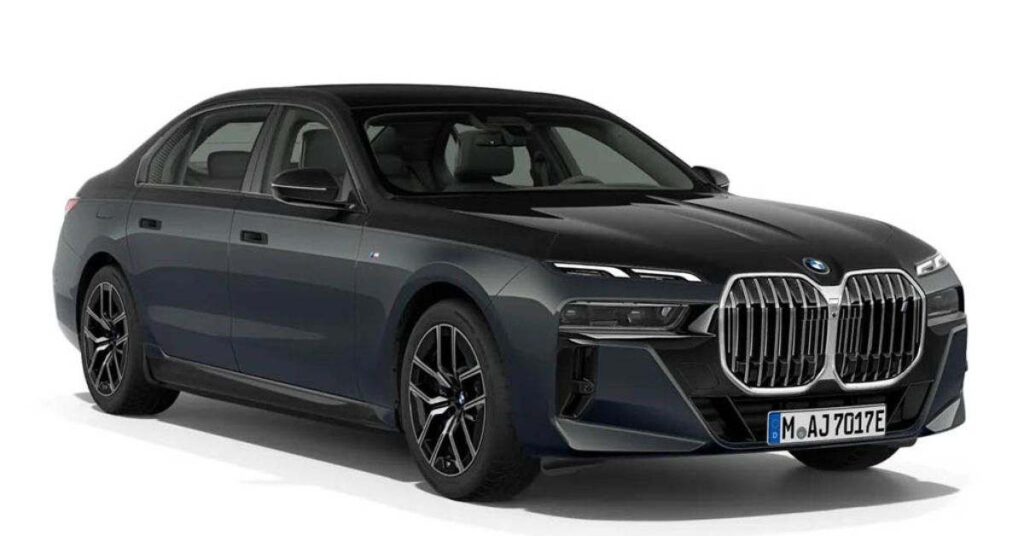
The BMW i7, has officially crossed the 1,000+unit sales milestone, solidifying its position as the king of the premium electric vehicle (EV) segment.
The Milestone
To understand the gravity of this achievement, we have to look at the context. India has historically been a tough nut to crack for luxury EVs. High import duties and a developing charging infrastructure often kept buyers tethered to their petrol-guzzling V8s.
However, in 2025, BMW Group India posted its best-ever annual sales, delivering 18,001 cars. Interestingly, 21% of those sales were electric. The i7 didn’t just contribute to these numbers; it led the charge. Crossing 1,000 units proves that the Indian billionaire is no longer “EV-curious”—they are officially EV-converted.
Also Read:https://echodesknews.blogspot.com/2026/01/ather-450x-ota-update-infinite-cruise.html
“The BMW i7 is not merely a luxury sedan; it is a bold declaration of ‘Forwardism’. Crossing the 1,000-unit mark reflects its strong resonance with customers who seek the perfect fusion of avant-garde design and uncompromised luxury.” — Hardeep Singh Brar, President and CEO, BMW Group India.
Design
BMW’s design language in the 2020s has been “courageous.” The i7 features a massive, vertically-aligned Kidney Grille that glows in the dark (the Iconic Glow). Up front, the split-headlamp setup features BMW Crystal Headlights made by Swarovski. These aren’t just for show; they catch the light in a way that makes the car look like it’s draped in jewelry. While traditionalists might pine for the subtle lines of the 90s, the current Indian buyer wants “presence.” The i7 has so much road presence it practically needs its own zip code.
Also Read:https://newstoq.com/ktm-390-adventure-r-launched/
The Interior
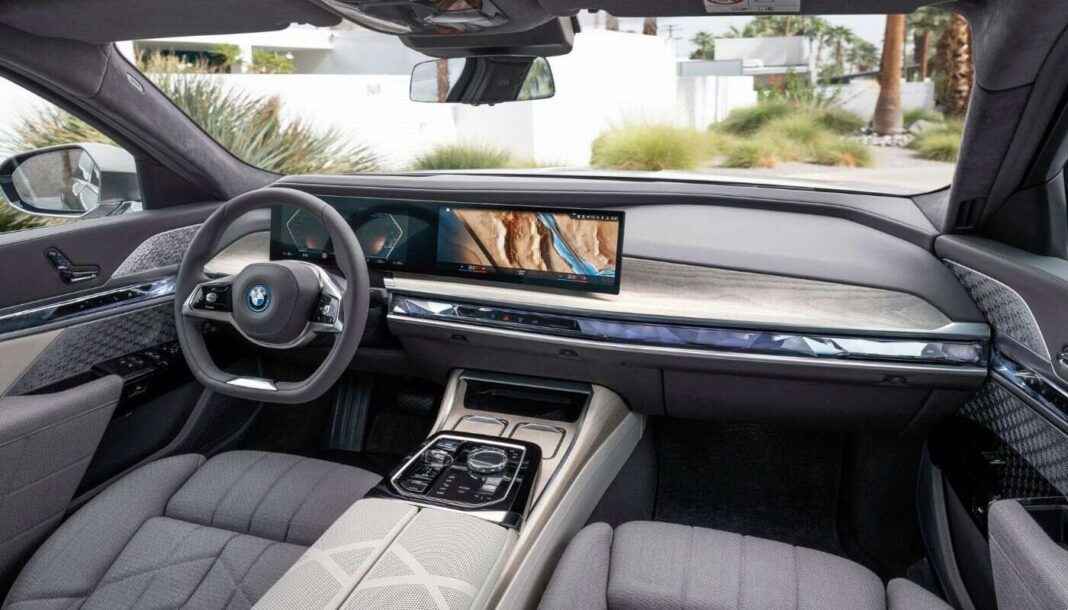

BMW realized that i7 owners spend 99% of their time in the back seat. So, they didn’t just add a screen; they added a 31.3-inch 8K BMW Theatre Screen.
-
Amazon Fire TV Built-in: You can literally watch a movie in 8K while stuck in a traffic jam.
-
Executive Lounge Seating: The rear seat behind the front passenger reclines to a staggering 42.5 degrees, complete with a leg rest.
-
Touchpad Door Panels: Small smartphone-like screens are built into the rear doors to control everything from the massage functions to the sunblinds.
Performance
The BMW i7 is a heavy car (about 2.7 tons), but it moves like a sports car that went to finishing school.
Technical Specifications
| Feature | Specification |
| Battery Capacity | 101.7 kWh |
| Max Power | 449 hp |
| Max Torque | 650 Nm |
| 0–100 km/h | 5.5 Seconds |
| WLTP Range | Up to 603 km |
| Top Speed | 250 km/h |
For those who want to blur their vision, the BMW i7 M70 xDrive variant pushes things further with 650 hp and a gut-punching 1,015 Nm of torque, hitting 100 km/h in just 3.7 seconds. That is faster than many supercars from a decade ago.
Also Read:https://newstoq.com/adventure-bikes-launching-in-2026/
Charging
The biggest hurdle for any EV is “range anxiety.” BMW tackles this with a massive 101.7 kWh battery. In real-world Indian conditions, users report a range of around 450–500 km, which is more than enough for a week of city commuting or a trip from Delhi to Jaipur.
Charging Speeds:
-
195 kW DC Fast Charger: 10% to 80% in 34 minutes.
-
11 kW AC Wallbox: 0% to 100% in about 10 hours.
The BMW i7 isn’t alone in this high-stakes game. It faces stiff competition from the Mercedes-Benz EQS and the Audi e-tron GT. However, while the Mercedes focuses on “aerodynamic efficiency” (looking like a very expensive pebble), the BMW i7 sticks to a traditional “three-box” sedan shape that looks like a fortress. This “boss-like” aesthetic seems to be winning the hearts (and wallets) of Indian buyers.
The success of the BMW i7 in India is a bellwether for the industry. It proves that luxury is no longer defined by the roar of an engine, but by the silence of the cabin and the pixels on the screen. Selling 1,000 units of a ₹2 crore electric car is no fluke; it is a sign that the future of Indian luxury has officially arrived—and it’s plugged in.