
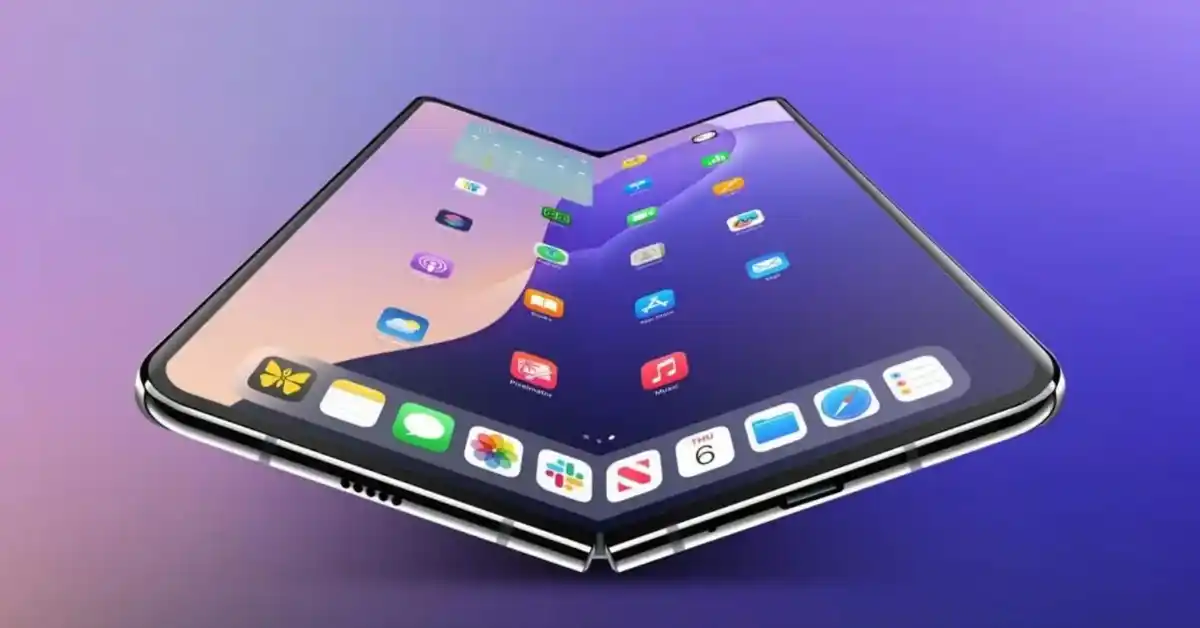
Apple is finally preparing to launch the iPhone Fold 2026. After years of calculated observation from the sidelines, Apple Inc. appears ready to enter the foldable smartphone arena. While competitors like Samsung and Google are several generations into their foldable journeys. This move could represent the most significant design shift in the iPhone’s history since the transition to the edge-to-edge display on the iPhone X.
The foldable market has matured significantly, moving from experimental prototypes to daily-driver devices. As 2026 approaches, the “iPhone Fold” (a tentative name used by industry insiders) is expected to be the centerpiece of Apple’s strategy to redefine premium mobile productivity and capture a significant share of the high-end foldable segment.
What the Leaks Reveal About the iPhone Fold 2026
Expected Launch Year and Design
Multiple industry sources point toward a late 2026 launch. While some earlier rumors suggested a 2025 release, the timeline has reportedly shifted to ensure the device meets Apple’s stringent quality standards.
Also Read:https://newstoq.com/iphone-17-pro-max-traded-in-phone/
The most consistent leaks describe a “book-style” design, similar to the Samsung Galaxy Z Fold series. Rather than a “clamshell” flip phone, Apple is reportedly prioritizing a device that unfolds horizontally to bridge the gap between a standard smartphone and an iPad Mini.
Display and Foldable OLED Technology
The iPhone Fold 2026 is rumored to feature a dual-display setup:
-
External Screen: A 5.3 to 5.5-inch OLED display for standard tasks.
-
Internal Screen: A massive 7.7 to 7.8-inch foldable OLED panel.
Apple is reportedly working with Samsung and LG Display to develop a “crease-less” panel. Reports suggest the use of a laser-drilled metal support plate beneath the display to disperse physical stress, alongside a self-healing lamination process to maintain a smooth surface over hundreds of thousands of fold cycles.
Also Read:https://newstoq.com/apple-iphone-17-pro-max-price/
Expected Specifications
While hardware details remain fluid, the Apple foldable iPhone is expected to be a flagship-grade powerhouse.
A-Series Chipset and Performance
By 2026, Apple will likely debut the A20 chip (potentially an “A20 Pro” variant). Built on a highly efficient 2nm process, this silicon will be essential for managing the thermal and power demands of driving two high-resolution displays simultaneously.
Camera and Battery Technology
-
Camera: Leaks suggest a dual 48MP rear camera system. To maintain a slim profile, Apple may skip the periscope telephoto lens found on “Pro Max” models, opting instead for a high-resolution under-display camera (UDC) on the internal screen.
-
Battery: Powering a 7.8-inch screen requires significant juice. Rumors hint at a 5,000mAh to 5,500mAh battery—the largest ever in an iPhone—utilizing high-density cells to fit within the device’s thin chassis.
Also Read:https://echodesknews.blogspot.com/2026/02/india-joins-us-led-pax-silica-alliance.html
iOS Optimization
A foldable iPhone is only as good as its software. Apple is reportedly developing a specialized version of iOS—tentatively called iOS 27—optimized for foldable multitasking. This includes fluid “continuity” (switching apps from the outer to inner screen) and advanced split-screen features to maximize the 4:3 aspect ratio of the internal display.
How iPhone Fold 2026 Could Compete With Rivals
Apple’s entry will pit it directly against established leaders:
| Feature | iPhone Fold 2026 (Rumored) | Samsung Galaxy Z Fold 7/8 | Google Pixel 10 Pro Fold |
| Main Display | 7.8-inch Crease-less OLED | 8.0-inch Dynamic AMOLED | 8.0-inch Actua Display |
| Chipset | A20 (2nm) | Snapdragon 8 Elite | Tensor G5 |
| Biometrics | Side-mounted Touch ID | Side-mounted Fingerprint | Side-mounted Fingerprint |
| Thickness | 9mm (Folded) | 9.4mm (Folded) | 10.5mm (Folded) |
Apple’s strategy typically involves entering a market late with a “perfected” version of the technology. By focusing on a thinner build (potentially under 5mm when open) and a superior hinge, Apple aims to justify its premium pricing against the more mature, and likely more affordable, Samsung and Google alternatives.
Why Apple Delayed Foldable Technology
The primary reason for the delay is quality control. Apple has historically avoided the “beta-tester” phase of new hardware.
-
The Crease Problem: Apple has reportedly rejected multiple prototypes because the center crease was too visible. The 2026 timeline suggests they have finally achieved a “Liquid Glass” solution that remains flat.
-
Hinge Durability: Apple is rumored to be using a Liquidmetal hinge alloy, which is significantly stronger and more resistant to deformation than the aluminum or steel hinges used by competitors.
-
App Ecosystem: Apple wants to ensure that the App Store is ready with thousands of optimized “foldable” apps before the first unit ships.
Expected Price in Global Markets
The iPhone Fold 2026 is positioned as an “Ultra-Premium” tier, sitting above the Pro Max.
-
United States: Most analysts predict a starting price between $2,000 and $2,400.
-
India: Given local taxes and import duties, the iPhone Fold price in India could range from ₹2,00,000 to ₹2,50,000, making it a status-symbol luxury device.
Impact on the Foldable Smartphone Market
Apple’s entry is expected to be a massive catalyst for the industry. According to data from IDC, the global foldable market is projected to grow by 30% year-on-year in 2026, driven largely by the “Apple effect.”
When Apple adopts a form factor, it often signals to developers and accessory makers that the technology has officially reached the mainstream. This could lead to a surge in specialized foldable apps and a standardized “book-style” design language across the industry.
Market analysts remain bullish. “Apple tends to be a catalyst for mainstream adoption,” says Francisco Jeronimo, VP at IDC. Experts believe that while Apple may not lead in unit sales immediately, it will likely capture over 30% of the market’s total value within its first year due to its high average selling price.
The focus on a titanium frame and a slim 9mm profile suggests Apple is targeting the “pro” user who currently carries both an iPhone and an iPad Mini.
The Apple foldable phone launch in 2026 marks a pivotal moment for the tech giant. While the current details are based on supply chain leaks and patents, the sheer volume of corroborating reports suggests that the “iPhone Fold 2026” is no longer a matter of if, but when.
By prioritizing a crease-free display and a refined, slim design, Apple is betting that consumers are willing to wait—and pay—for a foldable that finally feels like a finished product. As with all leaks, these details remain subject to change until Tim Cook takes the stage.
FAQ: Frequently Asked Questions
When will Apple launch iPhone Fold 2026?
Current leaks and analyst reports from early 2026 suggest a release window in September 2026, alongside the iPhone 18 lineup.
What will be the price of the Apple foldable iPhone?
The device is expected to be Apple’s most expensive iPhone, with predicted prices starting at $2,000 (roughly ₹1,80,000 – ₹2,00,000).
Will the iPhone Fold compete with Samsung foldables?
Yes, it will compete directly with the Samsung Galaxy Z Fold series, though Apple is expected to target a more premium “Ultra” segment with higher-end materials and a thinner design.
Does the iPhone Fold 2026 have a crease?
Rumors suggest Apple has delayed the launch specifically to eliminate the display crease. The 2026 model is expected to feature a “nearly invisible” crease using a specialized metal support plate.
1 thought on “Apple iPhone Fold 2026: Everything We Know About the First Foldable”